Loft conversion costs in the UK vary significantly depending on the type of conversion, your location, and the complexity of the work. As of 2026, homeowners should expect to pay between £20,000 and £70,000 for a standard loft conversion, with more elaborate projects reaching £100,000 or beyond. The wide range reflects differences in labour costs, material prices, and regional variation across the country.
Building costs remain the largest expense, typically accounting for 60-70% of your total budget. In London and the South East, prices sit at the higher end due to greater demand for tradespeople and stricter building regulations. Northern regions and Scotland generally offer more competitive rates, with conversions costing 15-20% less than comparable London projects.
The 2026 market shows sustained pressure on costs from skilled labour shortages and supply chain delays. Contractors are quoting longer timescales, which affects project budgets. Planning permission and building control fees have also increased modestly since 2024, adding another 2-5% to overall expenses.
Breaking Down Your Conversion Budget
Understanding where your money goes helps you plan more effectively. Here's what typically makes up a loft conversion budget:
- Structural work and reinforcement: £8,000-£25,000 – includes roof strengthening, ceiling joists, and load-bearing calculations
- Stairs and access: £3,000-£8,000 – bespoke staircases cost more than standard spiral or straight designs
- Flooring and insulation: £2,500-£6,000 – quality insulation affects future heating bills
- Electrical and plumbing: £2,000-£5,000 – wiring, sockets, and water connections for en-suites
- Roof windows and glazing: £2,000-£4,500 – Velux windows and rooflights vary by size and type
- Decoration and finishes: £1,500-£4,000 – plasterboard, painting, and flooring finishes
- Contingency fund: £2,000-£8,000 – reserve for unexpected issues like structural damage or hidden problems
Labour represents 40-50% of construction costs. A skilled roofer, carpenter, and electrician cost £50-£120 per hour depending on experience and location. Most loft conversions take 8-16 weeks, so labour hours accumulate quickly.
Types of Loft Conversions and Their Costs
Different conversion styles have very different price tags. Your roof structure largely determines which option suits your property.
Velux Conversions (£20,000-£35,000)
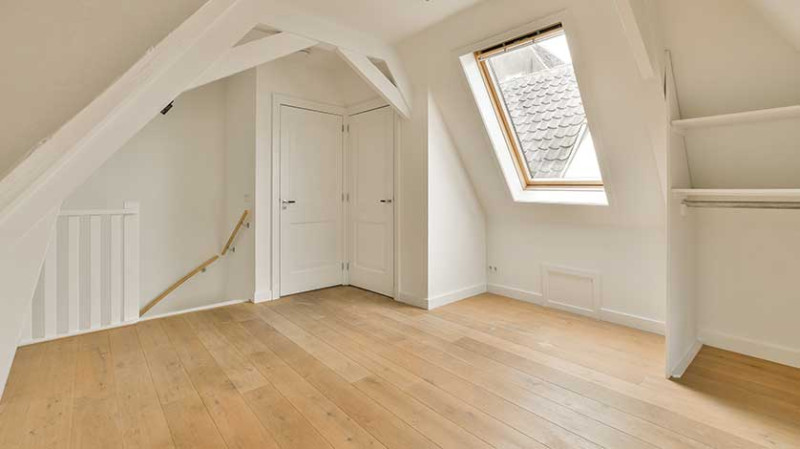
Velux conversions are the most affordable option, suitable for rooms with pitch heights over 2.2 metres. They use roof windows rather than creating new structures, keeping costs low and avoiding complex planning issues. These work well for modest bedrooms or home offices but don't add as much floor space as other methods.
Dormer Conversions (£35,000-£60,000)
Dormer extensions create vertical walls and larger usable floor space. A single dormer is cheaper than multiple dormers, and rear dormers cost less than front-facing ones due to planning simplicity. Dormer construction requires careful structural design and more complex roofing work, explaining the higher price tag.
Mansard Conversions (£50,000-£85,000)
Mansard conversions rebuild the entire roof to create a flat ceiling inside, maximising head height and floor area. They're the most expensive option but offer the greatest usable space. Planning permission is often required, and building control scrutiny is intense. These suit larger properties where space justifies the investment.
Gable Conversions (£25,000-£40,000)
Gable conversions extend the existing gable wall upwards. They're simpler than mansards but more complex than Velux conversions. Costs depend on wall height and structural reinforcement needed.
Planning Permission and Regulatory Costs
Before you start work, budget for planning and building control expenses. Many loft conversions qualify as permitted development, avoiding full planning permission if specific conditions are met. This saves £500-£2,000 in planning fees but doesn't exempt you from building control costs.
Building control approval typically costs £300-£1,200 depending on your local council and conversion type. You'll pay an inspection fee and completion fee. Some councils charge a flat rate; others charge based on project cost, so complex conversions cost more to regulate.
Structural engineer reports cost £500-£1,500. These are often essential, especially for dormer or mansard work. Architects or surveyor fees range from £1,500-£4,000 if you use them for design input beyond engineer sign-off.
Listed building or conservation area status adds 30-50% to these regulatory costs due to extra scrutiny and compliance requirements.
Hidden Costs and Contingencies You Should Know
Reality often differs from estimates. Common hidden expenses include:
- Structural problems: wet rot, woodworm, or weak joists discovered during work can add £3,000-£15,000
- Asbestos removal: if present in original materials, expect £2,000-£5,000 for professional remediation
- Services relocation: moving existing water tanks, electrical boxes, or ventilation adds £1,500-£4,000
- Party wall awards: if adjoining a neighbour's property, surveyor fees cost £1,000-£3,000 total
- Temporary accommodation: extended timescales may force you into alternative housing for 2-4 weeks at £1,500-£3,500
- Scaffolding and access: complex roofs require specialist equipment, costing £800-£2,500
Set aside a contingency fund of 10-15% of your total budget to protect against surprises. For a £40,000 conversion, that's £4,000-£6,000 held in reserve.
Regional Cost Variations Across the UK
Geography dramatically affects pricing. London loft conversions average £60,000-£85,000 due to high labour costs and property values. The South East follows closely at £45,000-£70,000. The Midlands sits at £35,000-£55,000, whilst the North West and Yorkshire offer better value at £28,000-£50,000. Scotland ranges from £32,000-£60,000 depending on urban versus rural location.
Rural areas sometimes cost more due to travel time and reduced competition among tradespeople. Urban areas with multiple contractors typically drive competitive pricing.
Material costs are fairly standard across regions, but labour availability creates price differences. Areas with housing booms see higher tradesperson wages.
Getting Realistic Quotes for Your Project
Obtain quotes from at least three experienced loft conversion specialists. Expect detailed itemised quotes showing labour, materials, and timescales separately. Avoid quotes that seem significantly cheaper than others, as they often hide costs or indicate rushed timescales.
A quality quote should include a site survey, structural assessment, and project timeline. The best contractors provide references from recent conversions in your area. Check they're registered with appropriate bodies like the Federation of Master Builders or the National House Building Council.
Timing matters too. Winter rates are sometimes lower due to reduced demand, though weather delays increase overall timescales. Spring and summer see premium pricing but faster completion.
Compare quotes from three providers in your area to understand realistic market pricing for your specific property and conversion type.

Trending articles
- Loft Conversion Costs UK 2026: Price ... Feb 2026
- How to Find a Loft Conversion Company ... Feb 2026
-
 Top 5 Considerations Before Starting ...
Apr 2025
Top 5 Considerations Before Starting ...
Apr 2025
-
 How to Start a Loft Conversion ...
Oct 2020
How to Start a Loft Conversion ...
Oct 2020